Convergent Grammar
What structure do images share?
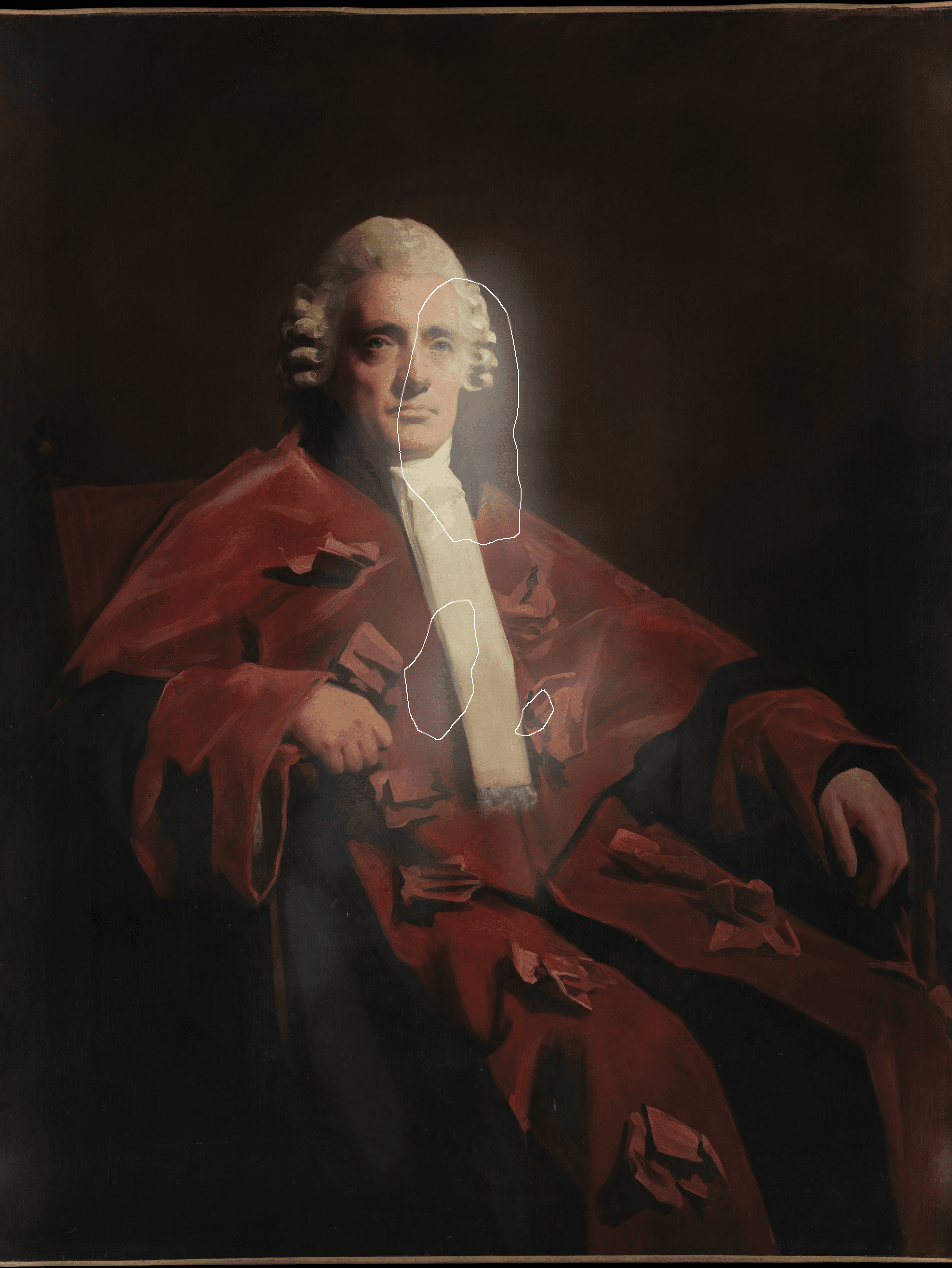
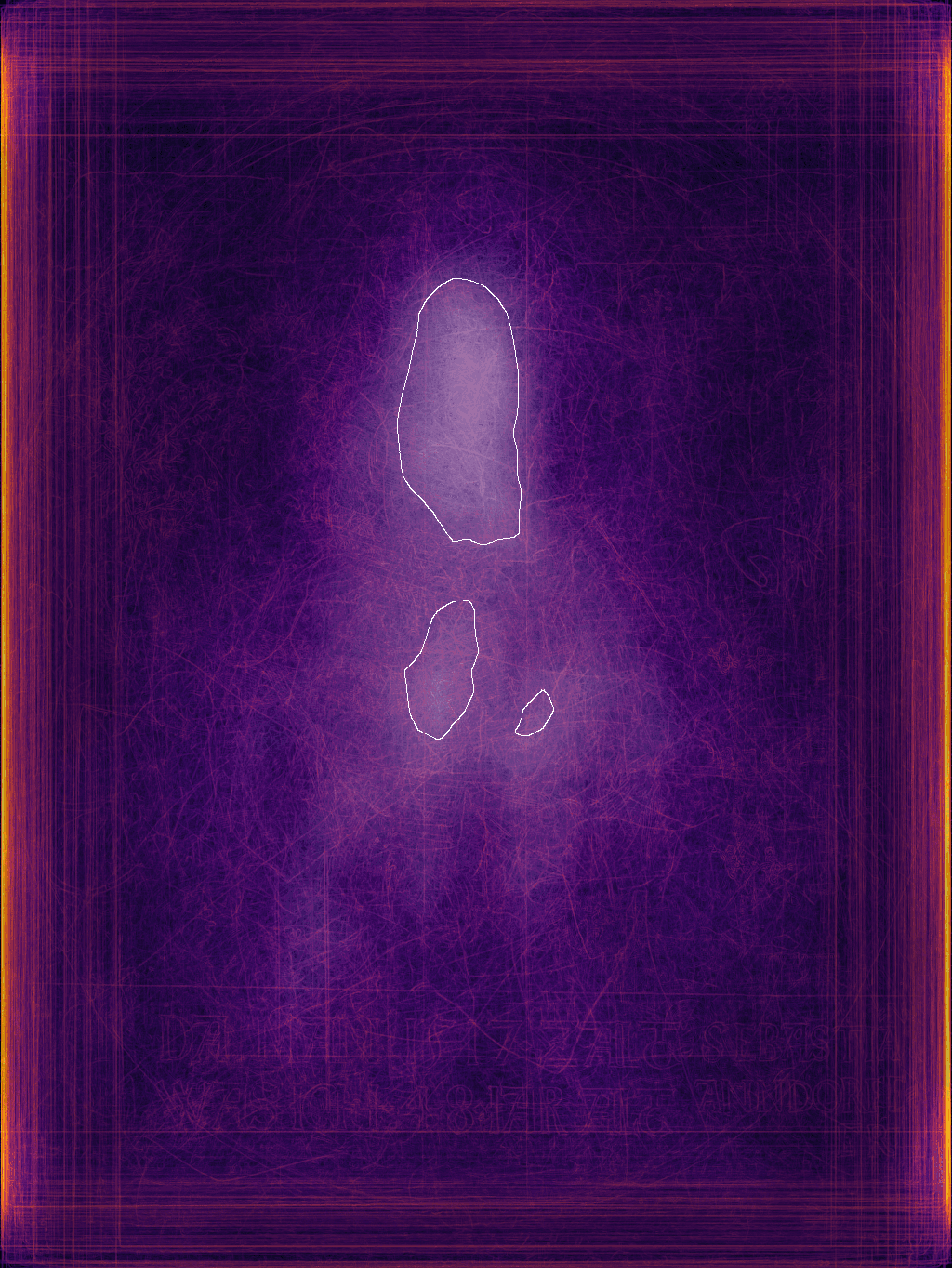
A portrait.
A spatial proposition.
Figures, focal points, and negative space can be described through relationships. The study extracts those relationships and compares them across images, asking what remains when style and subject change.
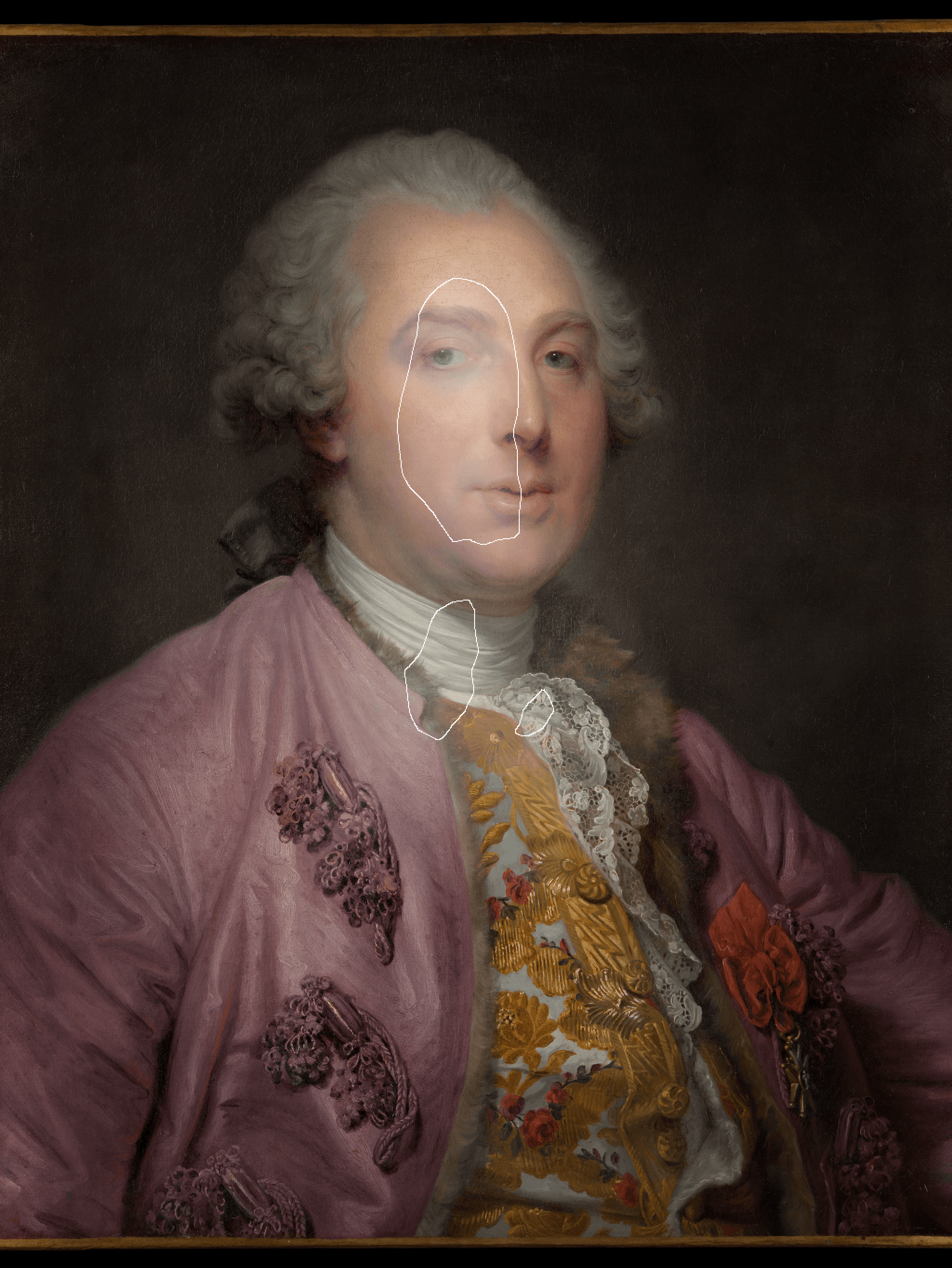
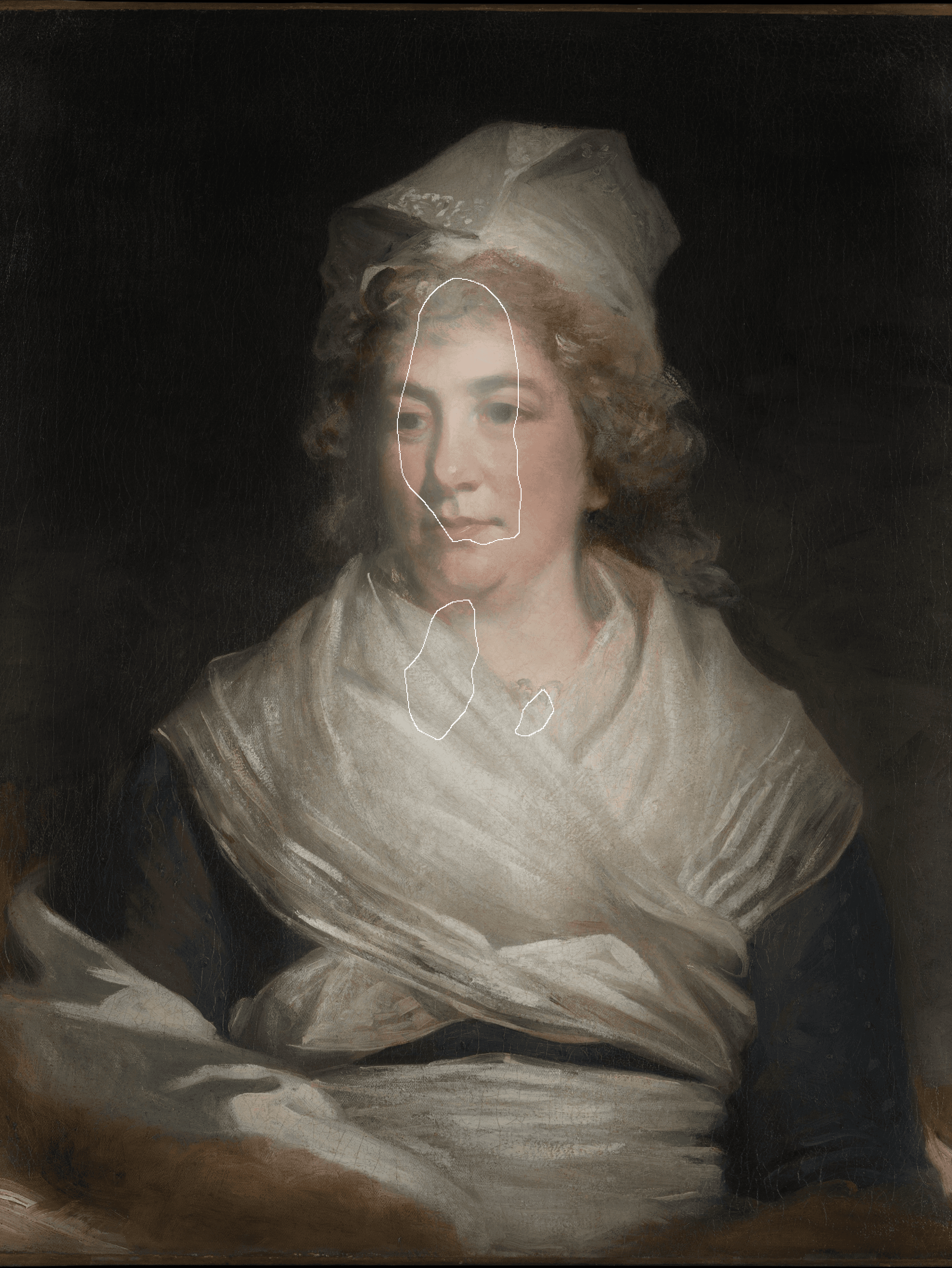
What survives
a change of image?
Portraiture is the reference for a wider inquiry into landscapes, interiors, garments, photographs, and generated images. The current study finds that grammar follows the spatial problem a genre addresses.
Project details
- Period
- 2026–ongoing
- Location
- New York
- Form
- Computational study
- Status
- In development
About the project
A computational study of latent visual grammar across portraiture and adjacent image regimes.
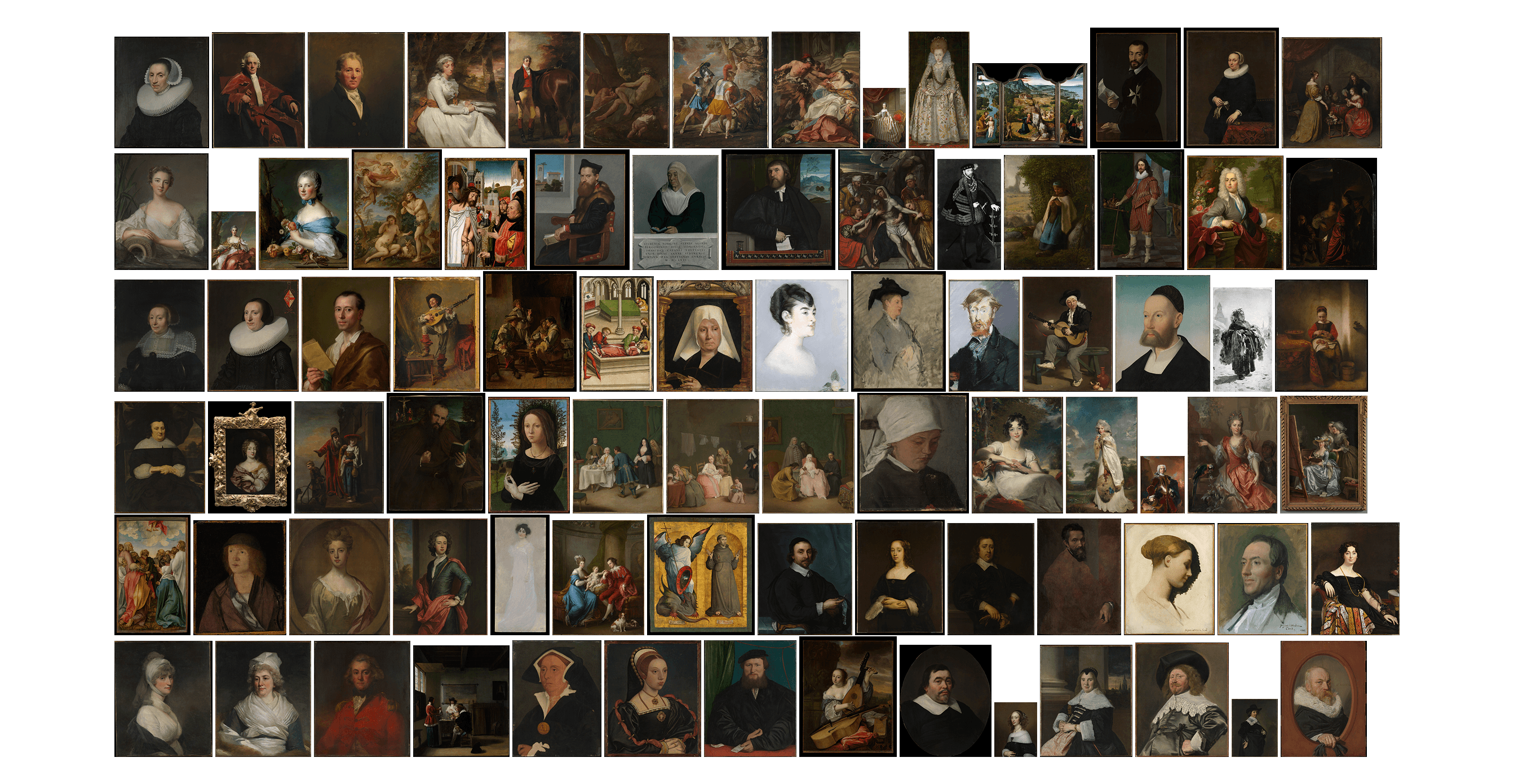
Across centuries, cultures, and media, do painted portraits share an underlying spatial grammar? The study began with portraiture and now extends to landscapes, interiors, garments, photographs, and machine-generated images.
It looks for compositional structure that survives a change of artist, period, style, or mode of image making.
Method
Extraction
- Open collection images
- Genre classification
- Geometric relationships
Comparison
- Vector primitives
- Comparison across the corpus
- Convergence and divergence
The pipeline extracts relationships between figures, horizons, focal points, and negative space. Each documentation plate pairs a source portrait with its extracted spatial grammar.
The study’s finding so far is that grammar follows the spatial problem a genre addresses. Portrait and landscape grammars diverge; portrait and figure-study grammars converge.
Research scope
Portraiture is the most densely sampled genre and the reference grammar for every other scan. The work widens into other image types and sources, including photographic archives, contemporary image libraries, and machine-generated imagery. Each source tests whether the grammar survives a change of regime.
Research record
- Reference
- Portraiture
- Corpus
- Open collections and adjacent image sources
- Output
- Diagrams and a planned longitudinal paper
- Stage
- Active research